

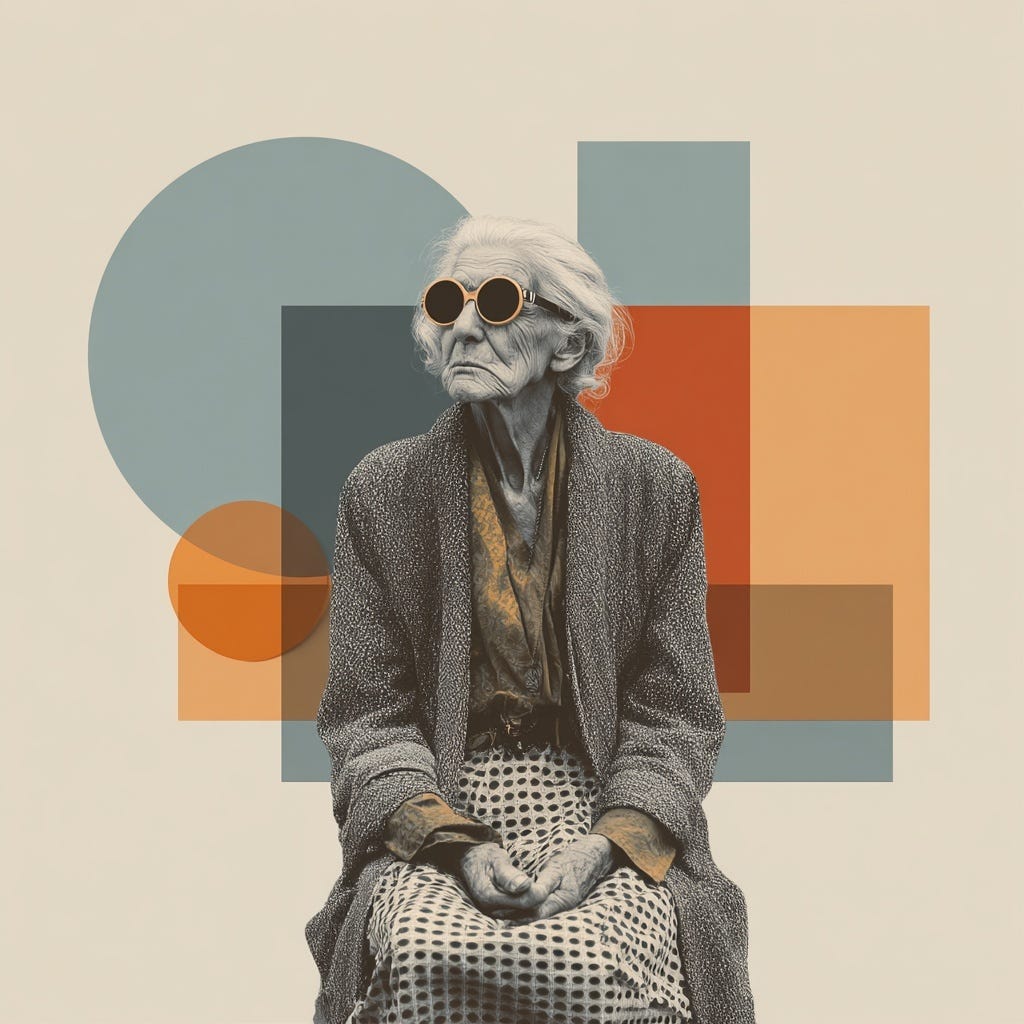
There was a moment during a healing session that stayed with me.
He came in talking about the physical things first—fatigue, stiffness, not sleeping well. The usual.
But as his body started to relax, something else came up.
“I don’t feel needed anymore.”
And just like that, everything made sense.
What I’ve been noticing in elders I work with
A lot of the time, the pain isn’t just physical.
Yes, the body changes. Energy shifts. Recovery takes longer.
But underneath that, there’s often something deeper:
A loss of role
A loss of identity
A quiet question of “Where do I fit now?”
When someone spends decades contributing, building, showing up for others… and then suddenly the world moves on without needing them in the same way—it leaves a gap.
And that gap can show up in the body.
What happens when someone feels seen again
One of the biggest shifts I see in sessions isn’t dramatic.
It’s subtle.
When someone feels genuinely seen—not for what they used to do, but for who they are right now—their entire system softens.
Breathing deepens. Shoulders drop. The nervous system begins to settle.
From an energy perspective, it’s like something starts flowing again.
Because being “needed” isn’t really about function.
It’s about connection.
How purpose shows up differently at this stage of life
Purpose doesn’t disappear with age—it just changes form.
It becomes quieter. More internal. More relational.
I’ve seen elders come alive again through things like:
Sharing stories from their life
Offering guidance without being asked to “fix” anything
Simply being present with others in a grounded, steady way
There’s a depth they carry that can’t be taught.
But it needs space to be expressed.
The emotional layer that often gets overlooked
Aging also brings things back up.
Old memories. Regrets. Moments that were never fully processed.
And a lot of people don’t have the space to talk about that.
So it stays in the body.
During sessions, when those emotions are allowed to surface—without judgment, without needing to rush through them—there’s often a release that goes far beyond physical relief.
Not because anything was “fixed.”
But because something was finally acknowledged.
The quieter spiritual shift that’s happening
There’s also something else I’ve noticed.
As people get older, their awareness often shifts naturally.
They start asking different questions:
What did my life mean?
Did I live the way I wanted to?
What matters now?
It’s not always spoken out loud.
But it’s there.
And when supported gently, this stage can actually feel very peaceful… even grounding.
What support can actually look like
From what I’ve seen, elders don’t need to be overwhelmed with solutions.
They need simple, consistent things:
People who check in and actually listen
Spaces where they can share without feeling like a burden
Gentle support for the body—rest, hydration, slowing down
Moments of connection that feel real
It doesn’t have to be complicated.
But it does have to be sincere.
What this work has been teaching me
Every time I sit with someone in this stage of life, I’m reminded of something simple:
There is still so much life in them.
Not in the way we usually measure it—but in presence, in awareness, in the way they feel things deeply.
And when that’s acknowledged…
something shifts.
Closing
We spend so much of our lives trying to become something.
And then at some point, the invitation changes.
It becomes less about doing…
and more about being.
And maybe the real question isn’t how we help elders hold on to who they were—
but how we support them in fully arriving into who they are now.
This is beautiful and very insightful, Bernard.